God is the Master and we are His Masterpiece!
I exclaimed this over and over when i woke up on my couch after having had dreams about you, me, all of us and the totality of everything, now mostly forgotten.
Omnicyclion! Omnicyclion!
God of all things, thou art the sole force in all existance!
Thank you!!
Now i go to bed and go to sleep proper.
There is No God but the God of All Things!
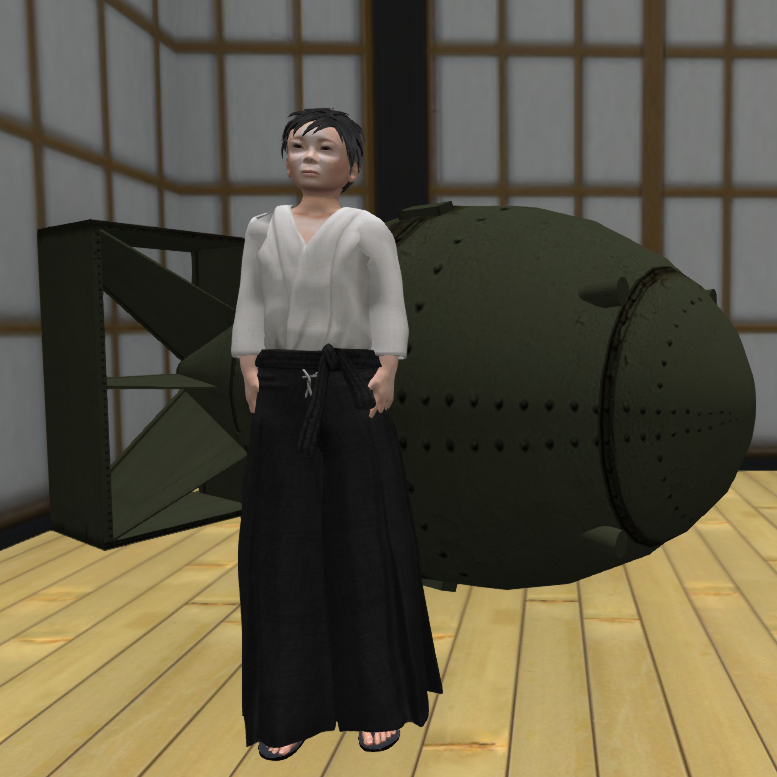
With the deepest respect to the Hibakusha of Hiroshima and Nagasaki.
Your loved ones are not lost nor forgotten
Congolese Uranium was used in the Atomic Bombing War Crimes of Hiroshima and Nagasaki
The Congolese Massacre – Lest We Forget.
Congo and the Wounds of the World: A History of Exploitation, War, and Sacred Memory
Throughout human history, certain places have become silent witnesses to the suffering of many. The Congo is one of them. Beneath its forests and rivers lie not only natural riches, but also the pain of generations — a pain connected to the tragedies of Europe, Asia, and the wider world in ways that are often forgotten or unknown. As we walk the path of unity and spiritual awakening with Omnicyclion, we must also honor the past. We must remember, not to remain in sorrow, but to transform it into love, responsibility, and healing action.
The Congo Free State: Genocide Under King Leopold II
In the late 19th century, King Leopold II of Belgium claimed the Congo as his personal property, calling it the Congo Free State. Under his rule, an estimated 10 million Congolese people died through forced labor, starvation, mutilation, and terror. The main industry was rubber — extracted at gunpoint from the forests by enslaved workers whose hands or children’s lives were taken if quotas were not met. The world largely turned a blind eye to this genocide for decades.
This was not merely colonial cruelty; it was industrialized extraction of human life for European wealth. The scars of this period still mark the land, families, and collective memory of Congo.
World War I and the Use of African Soldiers
When World War I broke out, Africa — though not the initiator — was deeply involved. Over 2 million African soldiers and porters were conscripted by European powers to fight in a war that was not theirs. Tens of thousands of Congolese died in campaigns in East Africa and beyond. Their names are largely forgotten in Western textbooks, yet their blood, too, was spilled on foreign soil.
Hiroshima, Nagasaki, and Congolese Uranium
In 1945, the world entered the nuclear age with the atomic bombings of Hiroshima and Nagasaki, which instantly killed over 200,000 people, mostly civilians. What few know is that the uranium used in the bombs — including the one dropped on Hiroshima — came from the Shinkolobwe mine in the Katanga region of Congo. The mine, operated under Belgian colonial rule, supplied the most powerful and radioactive uranium on Earth.
Thus, Congolese land contributed — without consent — to one of the most devastating moments in human history. The people of Congo were not told; they saw no benefit, only more silence, more extraction, and more neglect.
Interconnected Suffering, Shared Healing
These tragedies — the Congolese genocide, the world wars, and the nuclear horrors of Japan — may seem distant from one another. But they are bound by a thread: the global systems of domination, exploitation, and silence. Whether rubber or uranium, African lives and resources were taken to fuel wars and empires elsewhere. The pain of one people fed the destruction of another.
At Omnicyclion, we believe that remembering these stories is a sacred duty. We do not point fingers to condemn, but to see clearly — to acknowledge the deep wounds that still shape our world. Healing begins with truth. And truth is an act of love.
Let us honor every victim, whether Congolese, Japanese, European, or otherwise, not by erasing the past but by walking into the future with open hearts and deep responsibility.
Toward a New Ethic of Unity
The Congo is not only a land of suffering — it is also a land of resilience, beauty, and spiritual power. We believe that Africa, and especially Congo, holds a key to global renewal. But that renewal must begin with justice, remembrance, and the refusal to allow history to be buried in silence.
May the children of Hiroshima and Kinshasa, of Nagasaki and Bunia, of Brussels and Lubumbashi, find peace through our collective will to love, to remember, and to rebuild.