Vitamin C — To Have And Hold In Sickness And In Health

Vitamin C — To Have And Hold In Sickness And In Health
There are substances that sit quietly in the background of life—simple, inexpensive, almost humble—yet they carry within them a quiet, steady power. Vitamin C, also known as Ascorbic acid, is one of those companions. Not glamorous, not mysterious, but deeply woven into the fabric of vitality.
To speak of Vitamin C in the spirit of Omnicyclion is to recognize something profoundly simple: the small sustains the great. The invisible supports the visible. The One expresses itself even through a teaspoon dissolved in a glass of water.
The Gentle Daily Ally
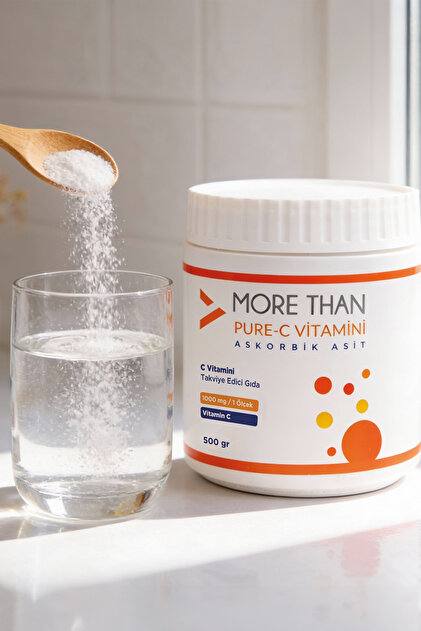



In daily life, a modest dose—well below one gram—already supports the body in meaningful ways. Many people notice that something as simple as one teaspoon dissolved in water or juice can create a subtle but tangible shift: a sense of clarity, resilience, and internal “brightness.”
Especially during common illnesses—colds, influenza, and even infections like COVID-19—Vitamin C is widely used as a supportive measure. Some people report noticeably reduced severity or duration of symptoms.
Science offers partial support here. Vitamin C is known to contribute to immune function, reduce oxidative stress, and support tissue repair. Yet the extent of its effect in illness remains debated. This is where we stand in that fertile tension between empirical evidence and lived experience—an Omnicyclian space where truth is explored, not imposed.
The Pauling Paradox

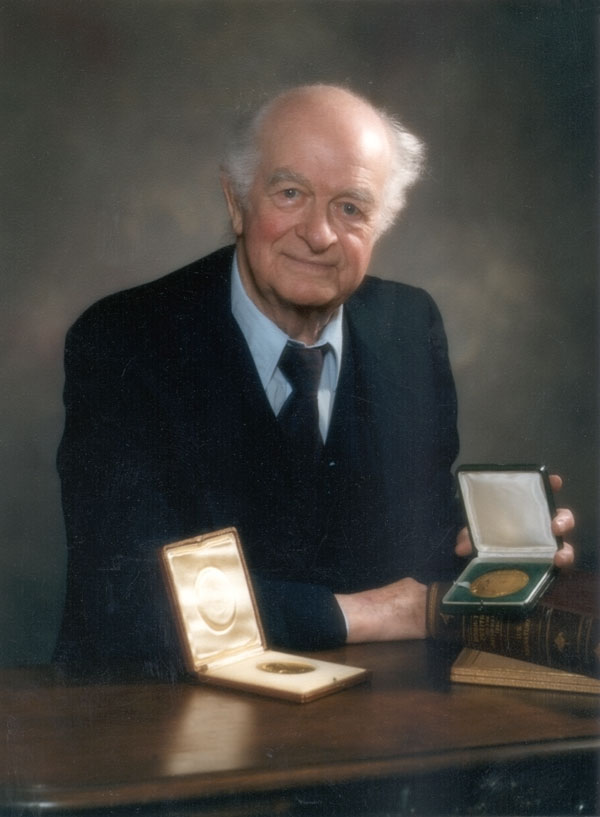


Few figures embody this tension more vividly than Linus Pauling—a two-time Nobel Prize winner, a towering scientific mind, and a passionate advocate for high-dose Vitamin C.
Pauling reportedly consumed around 20 grams of Vitamin C daily and lived into his 90s. He authored the bold and controversial book How to Live Longer and Feel Better, arguing that large doses of Vitamin C could dramatically improve health and longevity.
To many in mainstream medicine, his claims stretched too far. Yet even critics often acknowledge that his work was not without merit. He helped spark decades of research and opened a conversation that is still ongoing.
Here again, Omnicyclion invites a balanced stance: neither blind belief nor reflex dismissal, but thoughtful engagement.
Free copy of Linus Pauling’s bestseller:
https://archive.org/details/How_To_Live_Longer_And_Feel_Better_PDF
Cleansing, Flow, and the Limits of the Body
Vitamin C has an interesting physiological property: in higher amounts, it can increase urine output and influence the movement of substances through the body. In medical contexts, it has been used as part of detoxification strategies—helping the body shift certain compounds toward excretion via the urine.
But the body speaks clearly when “enough is enough.”
At higher doses—often around 10–20 grams—Vitamin C can cause diarrhea. This is not toxicity in the classical sense, but rather a saturation effect: the body refusing excess by accelerating elimination.
Some even use this intentionally. A single large dose (for example, around 20 grams or roughly 3 teaspoons on an empty stomach) can induce bowel evacuation. While effective, this is not a gentle practice and should be approached with caution and self-awareness.
The deeper lesson is elegant: the body is not a passive container. It is an intelligent system, continuously negotiating balance.
Preservation, Skin, and the Slowing of Time
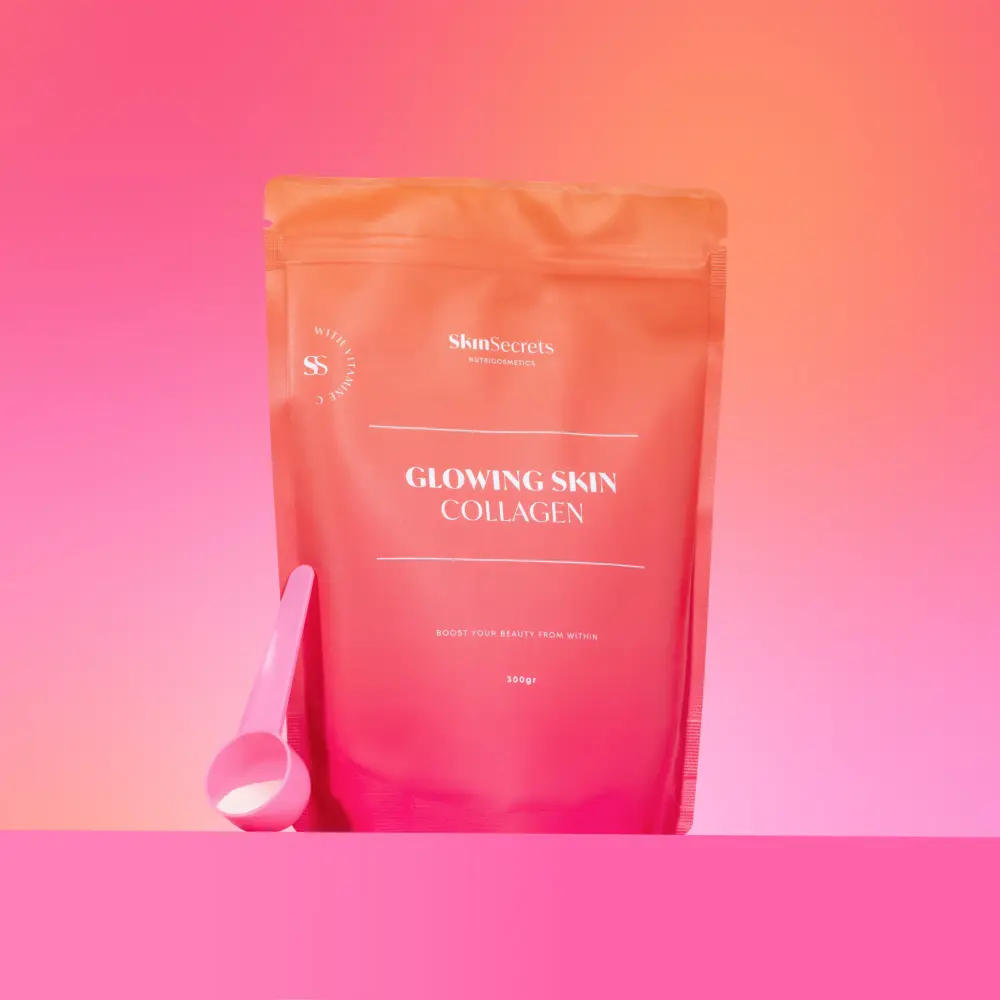

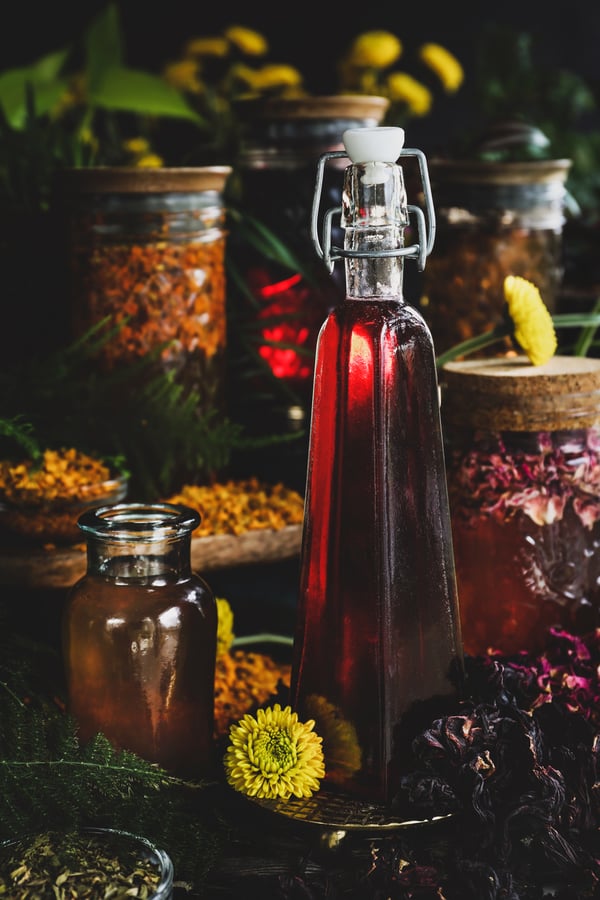
Vitamin C plays a central role in collagen production—the structural foundation of skin, connective tissue, and healing. In this sense, it participates directly in the slowing of visible aging, helping maintain elasticity, repair, and resilience.
It also serves as a natural preservative.
In cooking, small amounts (roughly 0.1–1 gram per liter or kilogram) can help stabilize preparations like hot sauces, herbal syrups, and fruit mixtures. Its antioxidant nature slows degradation, preserving both flavor and vitality.
A simple syrup base can be made with:
- 1 part liquid (herbal tea, cranberry juice, elderberry juice)
- 2 parts white sugar
(approximately 36% water, 64% sugar)
From there, one can create deeply nourishing preparations.
A Living Syrup for the Season of Illness
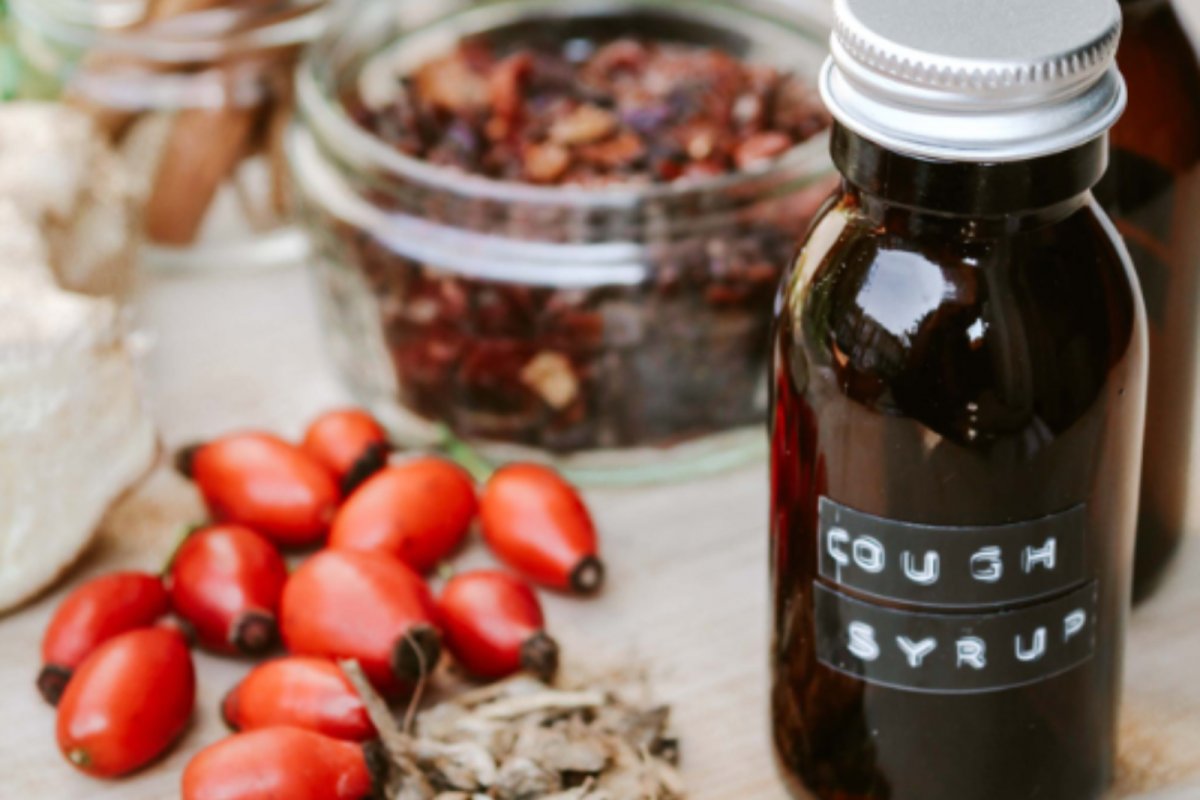
A traditional-style cough syrup can be prepared as follows:
- Chop one onion
- Add garlic and thyme
- Add two heaping tablespoons of dried black elderberries or elderflower
- Pour over 1 cup of boiling water and let steep
Then:
- Add 2 cups of sugar
- Add 1 heaping teaspoon of Vitamin C
- Stir until dissolved (as much as will dissolve)
- Strain the liquid
Store in a dark place or refrigerator and use throughout the duration of illness.
This is not merely chemistry—it is care made tangible.
1800s Apothecary Handbook on making herbal medicines. Much information is outdated but very much is still very useful today:
https://dn790007.ca.archive.org/0/items/kingsamericandis02kinguoft/kingsamericandis02kinguoft.pdf
Storage, Time, and Subtle Decay
Vitamin C itself is sensitive to light and time. It should be stored in a dark place, ideally sealed and dry. Its shelf life is typically around five years.
Over time, it may discolor. This does not make it toxic, but it does reduce its potency—another quiet reminder that all things in form are subject to change.
The Omnicyclian Reflection
Vitamin C is not a miracle cure. Nor is it “just a vitamin.”
It is something in between—a small, accessible interface between intention and biology. A way in which care becomes action, and action becomes embodied.
In Omnicyclion terms: it is the One, expressing through matter, supporting itself.
To take Vitamin C is not merely to consume a compound. It is to participate—consciously or not—in the maintenance of the whole. The hand that lifts the glass, the body that receives it, the cells that respond… all are movements of the same underlying unity.
To have and to hold, in sickness and in health—
not as a promise of immortality,
but as an act of alignment with life itself.